New Feature: Introducing Hidden Consultations in BetterLetter
6 Feb
2026

We’re pleased to introduce one of the most requested updates to BetterLetter: the ability to control visibility of consultations and documents at the point of filing.
This feature has been designed to support practices in managing sensitive information with confidence and care. It gives GPs and clinical teams more control over what appears in patient-facing services (PFS), while ensuring consultations remain complete, accurate, and accessible within the clinical system.
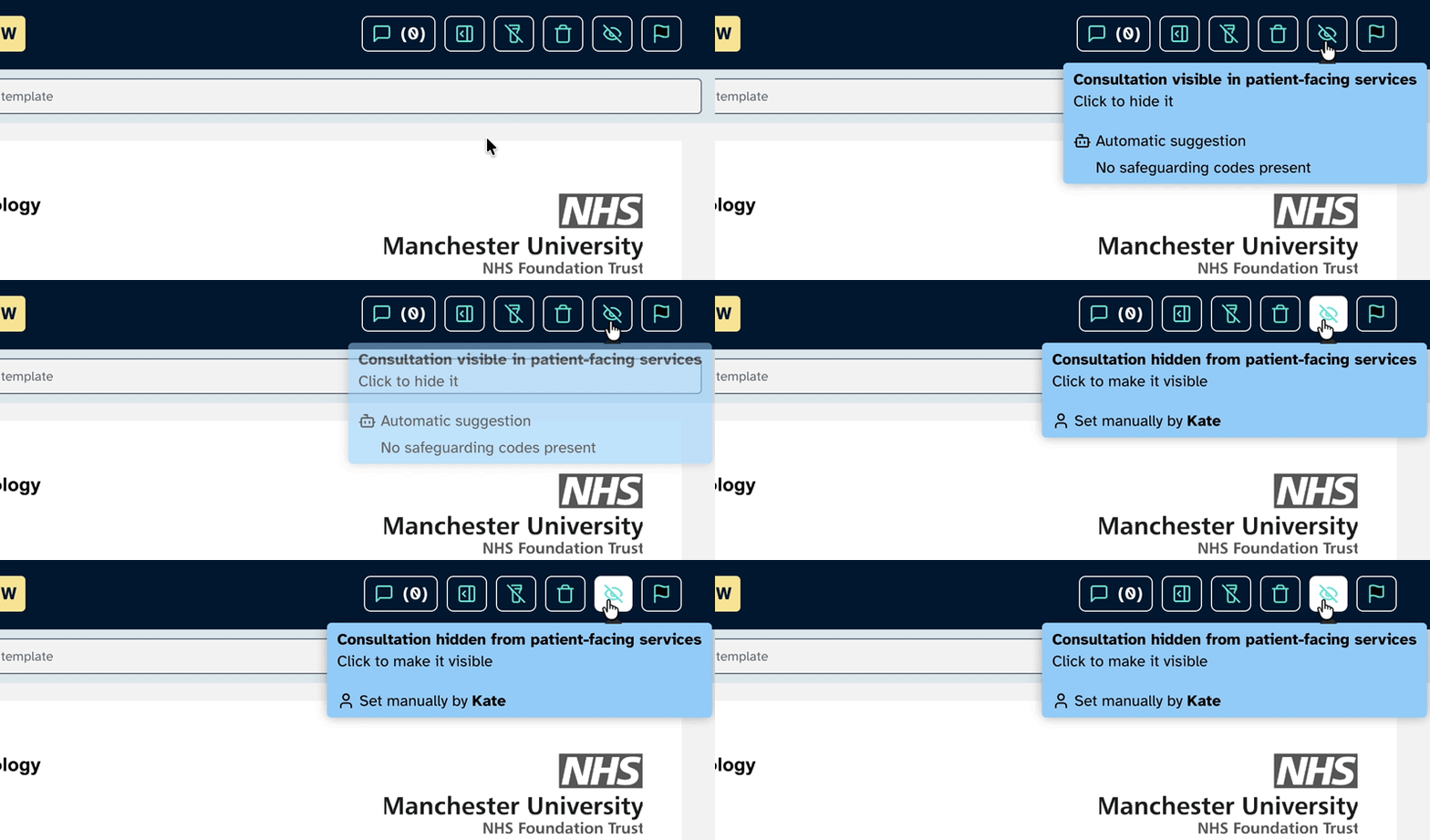
BetterLetter will automatically disable visibility for PFS for both the document and consultation in the event that sensitive information (e.g. safeguarding codes) are detected in a document. This is visible via the eye icon in the top right corner of the coding screen, and a coder can manually override this setting by clicking on this icon.
Why is this important?
In some situations, it may not be appropriate for parts of the care record to be visible to patients - particularly in safeguarding cases or where sensitive diagnoses need to be discussed with a patient. With this update, consultations can be safely hidden while still being coded and stored as part of the care history. Notes, files, and codes all remain together, avoiding the need to separate information across multiple records or workflows.
For clinicians, this means more control and better organisation. It also allows clinicians to control the timing and context in which sensitive information is shared, supporting clearer communication and better patient interactions.
For coders, this means that they can make a decision about visibility for sensitive information at the point of filing.
And most importantly, for patients, this update helps ensure that information is shared in a way that is appropriate, thoughtful, and safe. This ultimately avoids any potential risk, panic, or other negative outcome of sensitive documents and consultation notes being visible to the patient.
This long-requested feature reflects our ongoing commitment to supporting best clinical practice, improving workflows, and prioritising patient safety - without compromising transparency or quality of care.